Discover Kyoto

Culture & Food

Experience tea ceremonies, festivals, and Kyoto's famous kaiseki cuisine.

Tea Ceremony

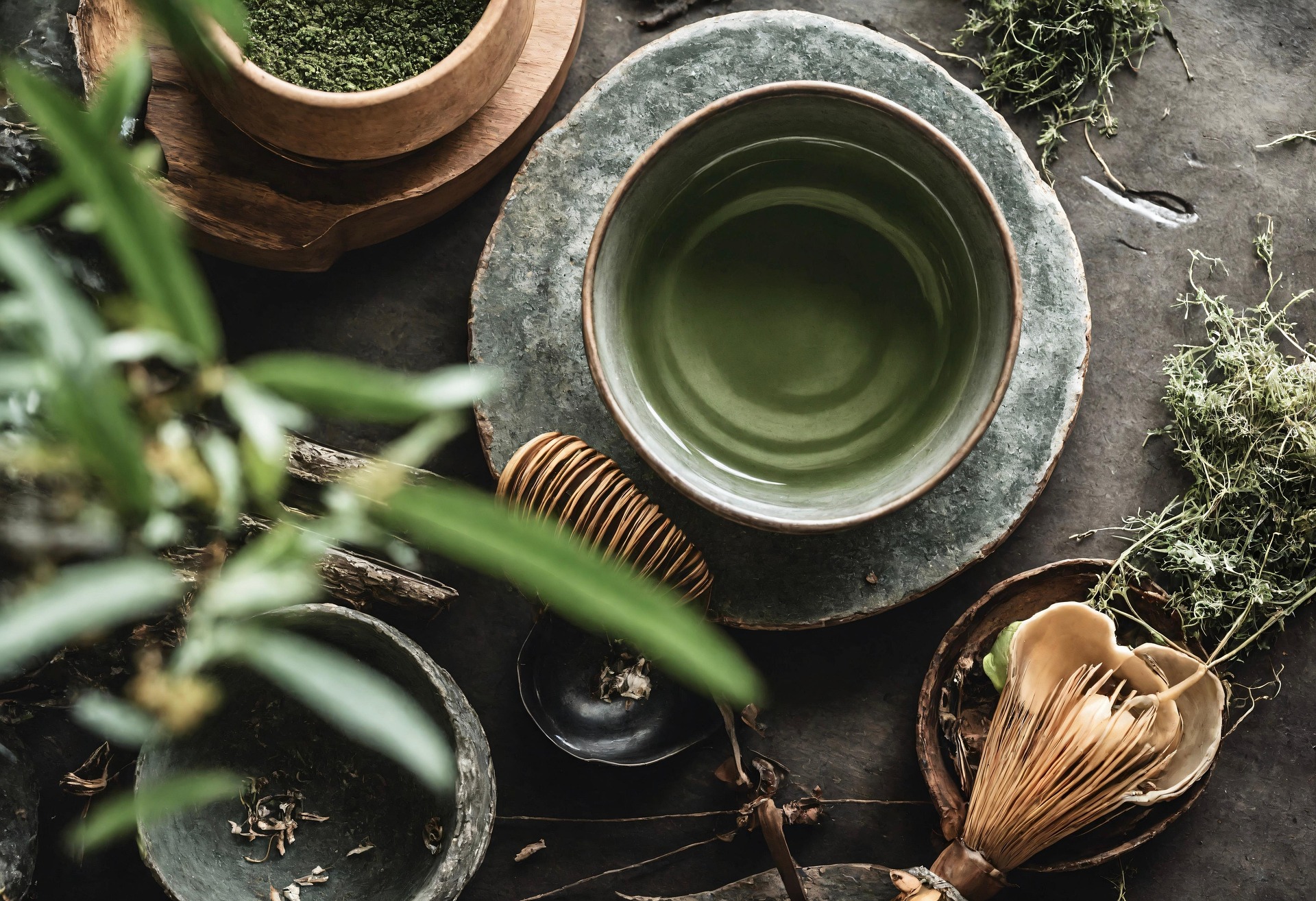
Japanese tea ceremony is known to be a traditional practice that involves the ritual preparation and presentation of matcha powdered (green tea), inside of the tearoom. Tea ceremony is one of the important traditional and contemporary cultures that individuals have been doing over the past centuries. Not only it allows local and international tourists to discover this authentic experience but also it encourages people to learn how to be patient when making tea. Japanese tea ceremony it’s not just about making tea or serving it to guests. It’s more about wanting to give positive impact to the society spiritually to motivate discipline and an improved way of thinking that must be continued by the younger generations (Say, 2022)
Festivals of Kyoto

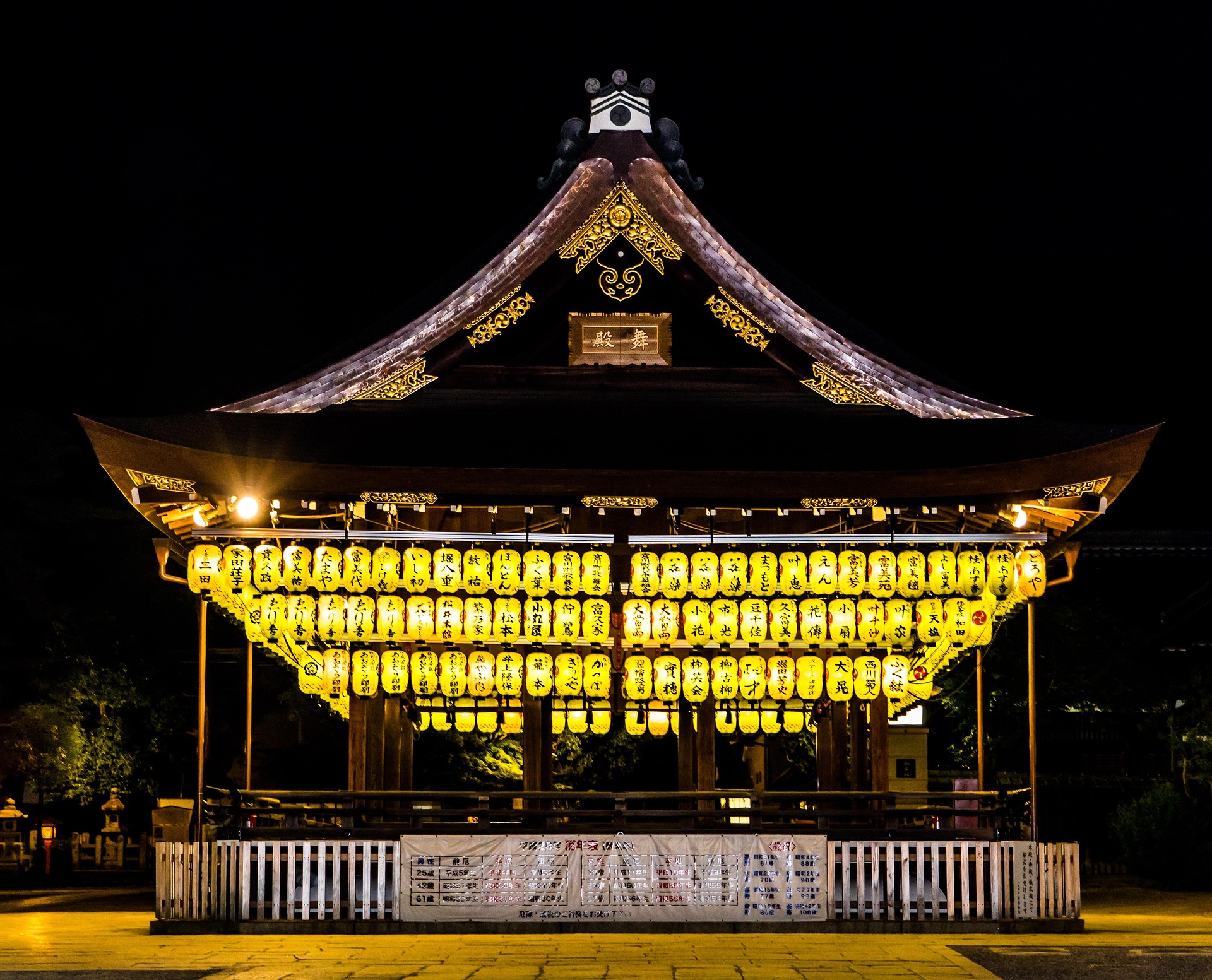
The Gion Festival (Gion Matsuri 祇園祭 in Japanese) takes place in Kyoto which is what it used to be the ancient capital of Japan and is now a global, hyper-touristic city promoting ‘traditional’ culture. In July the weather is hot and humid, and the Gion Festival almost marks the end of the rainy season. This signals the beginning of other summer festivities and festivals in August, such as obon お盆, Jizōbon 地蔵盆, which is dedicated to the bodhisattva Jizō, and the Fire Festivals (gozan no okuribi 五山送り火, commonly known as daimonji 大文字)(Porcu, 2022).

Kaiseki Cuisine

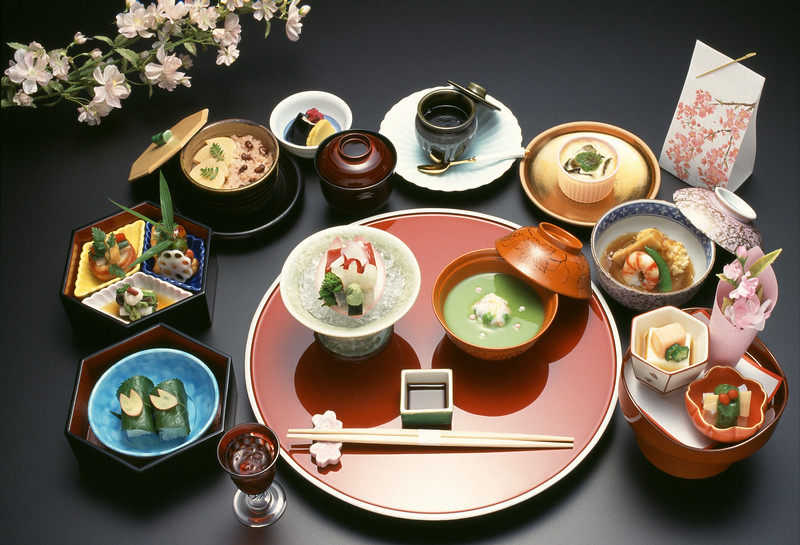
Kaiseki, a traditional multi-course Japanese meal, represents one of the most refined forms of culinary art, deeply rooted in cultural and philosophical principles. This study explores the evolution of Kaiseki from its origins in the Japanese tea ceremony to its establishment as a sophisticated fine dining experience. It delves into the key aesthetic principles of seasonality and visual balance, examining how these elements reflect the broader Japanese worldview (Murata,2006).