Discover Kyoto

Top Attractions

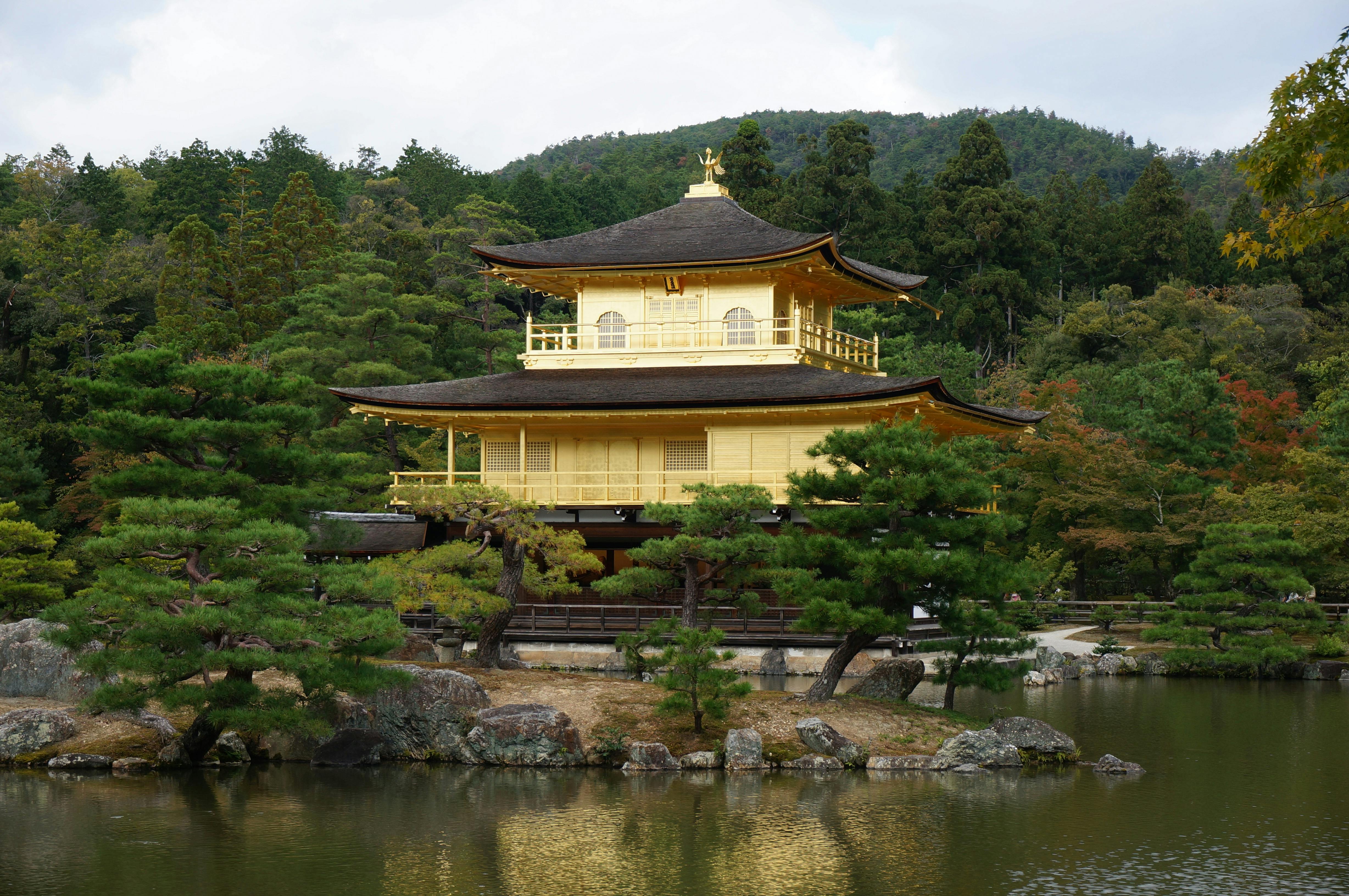
Kinkaku-ji (Golden Pavilion)

Kinkaku-ji Temple, also called the Golden Pavilion, one of the most famous temples in Japan and the setting for Mishima Yukio’s The Temple of the Golden Pavilion , which is based on a true incident of a monk setting fire to the temple in 1950. This Zen Buddhist temple in northwest Kyoto is a UNESCO World Heritage Site, a National Special Historic Site, and a National Special Landscape(Hernandez,2015).
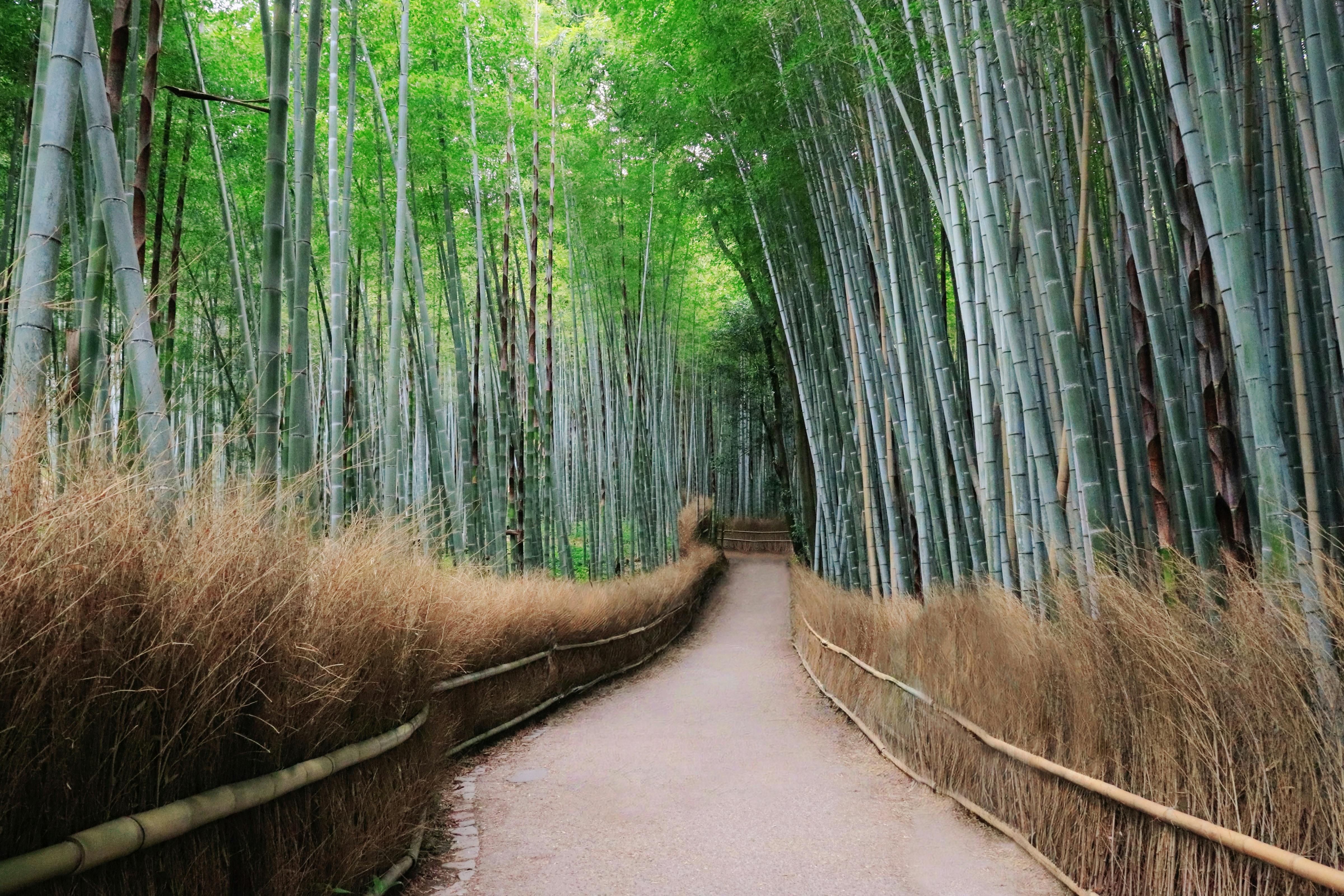
Arashiyama Bamboo Grove

Arashiyama is one of the most famous historical tourist areas of Kyoto with about 10 million visitors per year. Its landscape is appreciated not only for its well-shaped land form, but also for its excellent combination of natural hills and river, and man-made sites such as bridges and temples. Throughout its development, viewpoints for seeing various combinations of its small- and medium-scale landscapes have been sought out and maintained throughout Kyoto city, as well as in and around Arashiyama(Fukamachi et al, 2000).

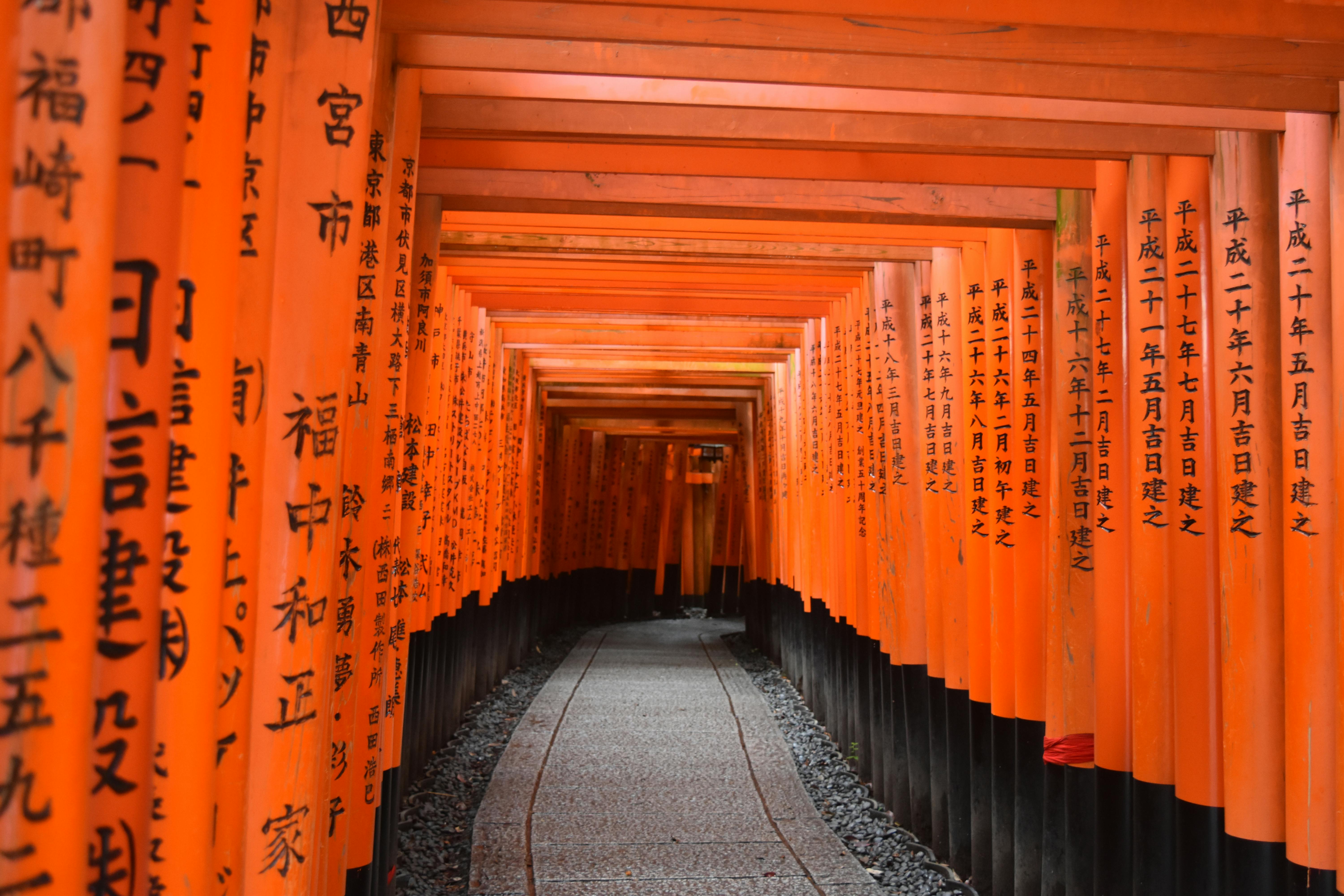
Fushimi Inari Shrine

Fushimi Inari Taisha is the oldest and most important of thousands of Japanese shrines dedicated to Inari, the Shinto god of rice [2]. The founding legend of Inari is recorded in the Yamashiro Fudoki report, which claims that Irogu no Hatanokimi shot a rice cake, which turned into a swan and flew away. The swan landed on the peak of a mountain, and rice grew. Inari is named for this miracle; “ina” is Japanese for “rice”(D’Souza, 2021).